
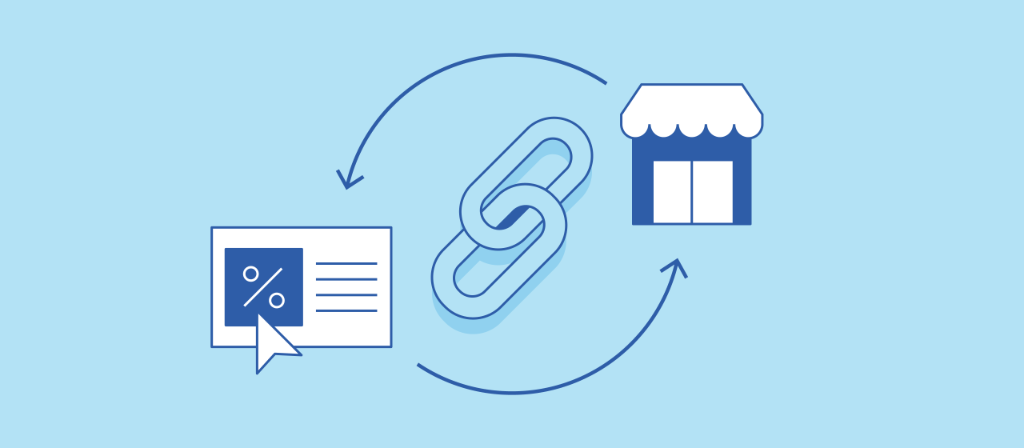
Many customers obtain information online before making a purchase, concluding a contract or selecting a service provider. These "ROBO" customers (research online, buy offline) make up an important part of the customer base. But only if you link online and offline data can you get a complete picture of the customer journey for these customers.

If your customers only move through digital touchpoints - online auction platforms, comparison portals, etc. -linking online and offline data is not essential for survival. In many cases, however, companies offer their customers the choice of purchasing a product online or visiting a retailer and buying the product on site. This applies to both physical products and services. We've all been there: surfing the internet on the sofa in the evening to find out about one product or another and then going to the shop the next day after work to bring the object of desire into our own four walls.

The customer's move from the online to the offline world can have a variety of causes. However, if you know about customer behaviour by linking the offline purchase with the previous online information, you can specifically address this purchasing behaviour of your customers and use it to your own advantage.

What use is this data to us?

As of this moment, we have combined data from various online channels (silos) with offline customer information. via the online channel, we have learnt that sending the newsletter has led to a successful sale. And thanks to the link with the offline data, the customer's online profile no longer consists solely of the attributes "red wine/Bordeaux/price cat. 29-50/promotions-affine", but can also draw on purchasing behaviour from the traditional shop. This information can be processed in real time and used for marketing automation (personalisation of the website, newsletter, mailing by post) or retargeting and upselling via marketing platforms such as GMP and SalesCloud. In addition, the linking creates a broad database on the basis of which patterns can be found and models derived using data science methods in order to further develop products and services and tailor them even better to customer needs.

Data also helps to provide every customer with a personalised customer experience. This has long been standard in traditional business - depending on the industry, it is even expected. A regular customer in their local village shop expects to be addressed by name, to exchange a few words about work and family and for the shop assistant to point out new products that match the customer's taste. The customer feels recognised and valued as a person and leaves the shop with a positive feeling. It is precisely this kind of shopping experience with a positive outcome for both the customer and the company that is also sought online. Thanks to the data from online and offline channels, they make online contact a consistently positive and personalised experience for the customer.

Enet on the pond

In the USA and the UK, the use of a CDP is already much more widespread than in the DACH region. Anyone taking this route in Switzerland is therefore at least one step ahead of the competition. However, caution is also advised: The introduction of a new technology is always associated with costs. If you decide to purchase a CDP, you should choose your provider carefully to avoid switching from one black box to the next and possibly even slipping into a relationship of dependency. A good CDP should be agnostic and work with as many analytics, marketing, cloud, customer relationship management and business intelligence providers as possible. It is also essential to ensure that you retain sovereignty over your customer data: Don't give away this valuable resource to just any technology provider! Tealium's Customer Data Platform, for example, is one of the tools that fulfil these high standards.

First party data

The acquisition of a CDP has another major advantage: it is the first step towards a 1st party data strategy. Currently, many online marketing activities are based on 3rd party cookies. However, their heyday is coming to an end: various internet browsers, including Safari, Mozilla Firefox and Microsoft Edge, have already started to massively restrict the use of 3rd party cookies. Google Chrome will follow suit at the end of 2022 or beginning of 2023. By then at the latest, 3rd party cookies should definitely be replaced. Future-proof strategies, on the other hand, are based on 1st party data as managed in a CDP. Those who rely on a CDP are also prepared for this unrest in the online marketing world. Find out more about the end of the cookie era and 1st party data strategies in this blog post.

To conclude

So don't be surprised if your car salesman enquires about your well-being in the future and casually points out a special offer that is precisely tailored to your needs. Or if your insurance advisor then contacts you and asks whether you need car insurance. These companies have taken the step of successfully combining the online world with traditional business and generating added value from the information in order to better fulfil their customers' needs.

We will be happy to assist you in creating a data strategy.